
Project Entropy Review: A Familiar Strategy MMO in a New Sci-Fi Coat
An expansive sci-fi strategy MMO that runs on the same time-gates and spending incentives as every other game of its type.
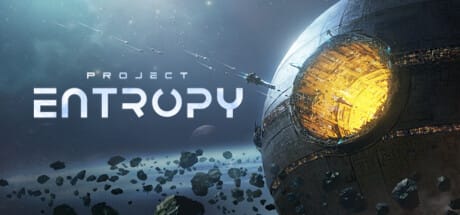
Project Entropy is FunPlus International’s sci-fi strategy MMO, released on Steam in 2024 and also available on iOS and Android. If you have played the studio’s other strategy titles, or any of the countless build-a-base, join-an-alliance, collect-the-heroes games that fill that category, the shape of this one will be immediately familiar: you develop a home base, gather resources, assemble hero-led fleets, and take them onto a shared galaxy map where alliances compete for territory and objectives. The verdict up front: it delivers the genre competently and adds a space theme, and it carries every one of the genre’s usual problems with it.
How we tested
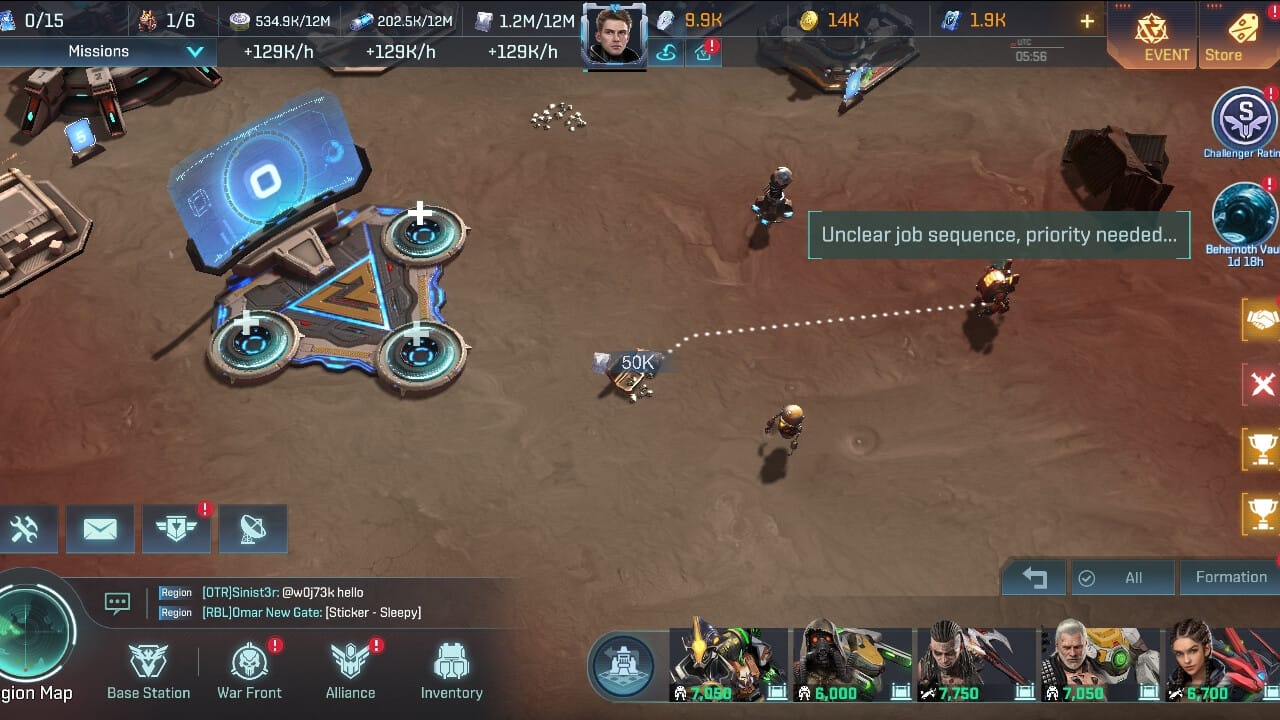
We spent about 18 hours on the Steam client, taking a new commander through the tutorial and into the early-mid game: base construction, the opening research tiers, resource-node gathering, PvE encounters, hero recruitment and levelling, and a stint in a starter alliance. Testing covered the build and research queues, the hero-progression systems and the store and event screens. The client is light and ran without trouble, which is expected given it is the mobile build in a desktop window.
Scope is not the problem
Give the game its due: it is expansive. There is a persistent online universe, an empire layer with multiple interlocking resource and production systems, fleet management with ship and hero loadouts, and an RPG-style progression track for your heroes with skills and upgrades. The sci-fi framing, alien factions, uncharted planets, capital-ship fleets, is delivered with enough art and lore to feel like a coherent setting rather than a pure skin. If the pitch of a galactic 4X MMO appeals, the ambition is there.
The loop is the genre’s loop
Underneath the setting, this is the standard structure. Buildings and research complete on timers that stretch from minutes to hours to days. You queue upgrades, spend speed-ups, and check back through the day. You farm nodes for resources, run repeatable PvE for hero materials, and coordinate with an alliance for rallies, defence and seasonal events. There is some genuine decision-making in fleet composition and hero pairing, but the moment-to-moment experience is logistics and waiting, administered in short sessions.
The desktop experience
The Steam release is the same client as the phone version, presented in a window. Mouse control and a bigger screen are an improvement over touch, and the game is readable, but nothing here was redesigned for a keyboard-and-mouse player, and the menu-heavy flow reflects its origins. Treat it as a convenient way to run a mobile game on your monitor rather than a PC strategy title in its own right.
Monetisation: acceleration for sale
The economy follows the template. Progression is deliberately slow for free players, and spending, on resource and speed-up bundles, hero recruitment, premium passes and event packs, accelerates development in ways that translate directly into map power. In a competitive persistent world, that means a paying account will out-develop a free one on the same timeline, and conflicts on the map reflect that. Free play is possible and the early weeks are reasonably generous, but the ceiling is bought and the event calendar keeps the store front-of-mind. Player reception has landed as mixed, and the acceleration-for-money dynamic is a recurring theme in that feedback.
Who it’s for
This is for players who specifically want a sci-fi take on the base-building strategy MMO and are prepared to commit to a daily routine inside an active alliance. If you already have a game of this type you play, there is little reason to switch. If you want a strategy game that respects your time or does not sell power, this is not it.
Verdict
Project Entropy is a solidly built example of a format that many players already have strong feelings about. The scope is real, the sci-fi setting is more fleshed out than a lazy reskin, and an organised alliance can make the seasonal metagame engaging for people who enjoy this style of game. On those terms it functions.
It scores near the bottom of this batch because it brings nothing new to a genre defined by its frustrations. The timers, the mobile-port interface, and the pay-to-accelerate economy are all present and correct, and none of them are handled better here than by the studio’s other titles or its competitors. If you actively want a space-themed strategy MMO and know what you are signing up for, it is a reasonable pick. Everyone else can pass.
- This is FunPlus's established strategy-MMO formula, base-building, alliances, hero collection, reskinned as a sci-fi space setting.
- The scope is real: a persistent galaxy map, empire management and fleet progression with an RPG layer.
- Progression is gated by construction and research timers, and spending accelerates development directly.
- The PC version comes via Steam but plays like the mobile client it shares with iOS and Android.
- Only worth it if you specifically want a sci-fi flavour of this genre and will play in an active alliance.
Pros
- Genuinely large in scope: persistent galaxy map, empire layer and fleet progression
- Sci-fi setting has enough art and lore to feel coherent
- Some real strategy in fleet and hero composition
- Light client; early weeks are reasonably generous
Cons
- Core progression is gated by hours-to-days timers
- Steam version is an unmodified mobile client in a window
- Spending directly accelerates development and map power
- Adds nothing new to a well-worn genre
Comments 0