
RAID: Shadow Legends Review: Deep Team-Building on Top of a Slot Machine
A genuinely deep gacha RPG whose systems reward mastery and whose economy tests your patience and your wallet.
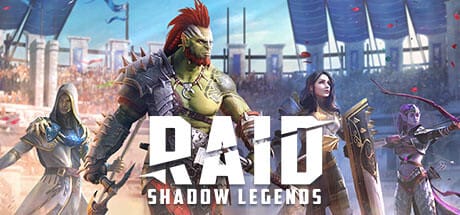
RAID: Shadow Legends is Plarium’s turn-based collection RPG, and by now it is as famous for its advertising as its gameplay. On PC it runs through the Plarium Play client and through Steam, where it has landed in “Mixed” territory, a rating that has actually climbed over time as onboarding and quality-of-life improved. You collect champions, build teams of four, gear them, and grind a long list of PvE modes and an arena ladder. The verdict up front: there is a surprisingly deep strategy game in here, and it is fenced in by one of the more punishing free-to-play economies on the platform.
How we tested
We spent roughly 30 hours on the PC client, taking a new account through the campaign, the early dungeons, the first act of the tower content and initial arena play. Testing covered the gear and mastery systems, several champion-progression paths, the daily and weekly event structure, and the shard-summoning and store screens. The client is undemanding and ran without issue, with a battle-speed toggle and auto-battle that you will lean on heavily.
The strategy is real
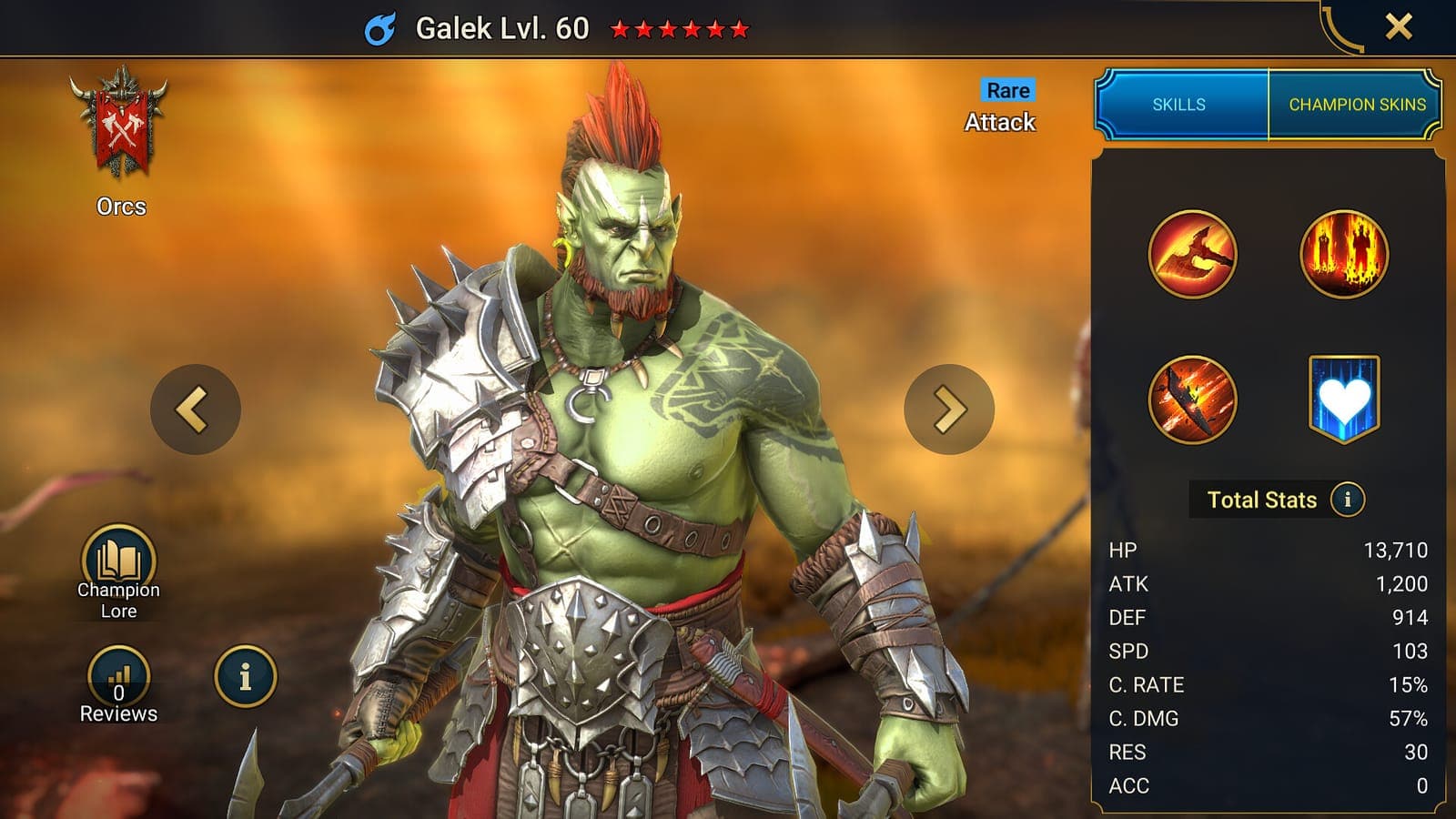
This is the part the ad campaign never sells. Champions belong to affinities, Magic, Force, Spirit and Void, in a rock-paper-scissors relationship that decides how reliably your hits land. On top of that sit gear sets with meaningful trade-offs, a mastery tree per champion, and speed stats that let you engineer turn order so your buffer or debuffer always acts before the enemy. Endgame bosses are effectively puzzles: you assemble a composition that stuns, poisons or shields on the right cadence, then tune stats until the fight becomes survivable. Solving those encounters is genuinely satisfying, and it is where the game earns whatever credit it deserves.
An enormous, ever-growing roster
The champion pool is well past a thousand, spread across more than sixteen factions, with new additions and new factions arriving on a regular cadence. That breadth means there is almost always a budget option for a role you need, and building around what you actually own is part of the craft. It also means constant power creep, where newer champions outclass old ones and the target keeps moving.
Progression runs on energy
Every meaningful activity costs energy, which refills on a timer, so your daily progress is capped unless you spend refills. Champion upgrades demand fodder farmed from the campaign, gear farmed from dungeons, and tomes for skill upgrades that are scarce for free players. Summoning is the other bottleneck: legendary rates from standard shards are low, a mercy system guarantees one only after a long dry streak, and the champions you want are often event-limited. It is a grind measured in months, not weeks.
Monetisation: constant pressure
The store is always open and always has an offer. Events are frequently designed to interlock, a fusion that needs specific champions, which need other events, which need packs, so that the “free” reward feels one purchase away. None of it is hidden, and the game has become more upfront about rates and more generous to new accounts than it once was. But the design intent is clear, and power creep plus limited champions keep the pressure on. Content creators have documented full free-to-play accounts clearing all PvE content, including the hardest tower difficulty, but that takes something like six months to a year of steady daily play.
Who it’s for
This suits players who enjoy deep, stat-driven team-building and theorycrafting and who can settle into a game as a long, slow daily routine without feeling compelled to open the store. If you want fast rewards, hate energy systems, or know you will not resist monetisation pressure, this is one to skip.
Verdict
RAID: Shadow Legends is better than its reputation as a gameplay proposition and worse than its defenders claim as a product. The combat and progression systems have real depth, the roster is vast, and clearing a brutal boss with a team you built yourself is a legitimate high. Plarium has also genuinely improved the new-player experience.
It scores low because the wrapper works against the game at every turn. Energy timers cap your fun, pull rates are stingy, power creep never stops, and the store is relentless. A disciplined free player with a lot of patience can get a great deal of strategy game out of it for nothing. Most people will feel the pressure and the grind long before they reach the good part. Approach with caution, a strict no-spend rule, and realistic expectations about the timeline.
- Team-building is legitimately deep: affinities, gear sets, masteries and turn-order manipulation all matter.
- The roster is enormous, over a thousand champions across sixteen-plus factions, with steady additions.
- Daily progress is capped by an energy system, and legendary pull rates are low even with pity.
- The store and event calendar are aggressive, and power creep pushes you toward spending.
- A real free-to-play path exists but clearing endgame PvE content takes many months of consistent play.
Pros
- Deep team-building across affinities, gear sets, masteries and speed tuning
- Massive champion roster with regular additions
- Endgame boss fights are satisfying strategic puzzles
- A real free-to-play clear path exists for patient players
Cons
- Energy system caps daily progress
- Low legendary pull rates and long mercy pity
- Constant power creep and event-limited champions
- Aggressive, interlocking store and event design
Comments 0