
NTE beginner guide: build a team that can trigger element swaps
A new-player path through NTE's team building, swap-cancel combat and the open city of Hethereau.
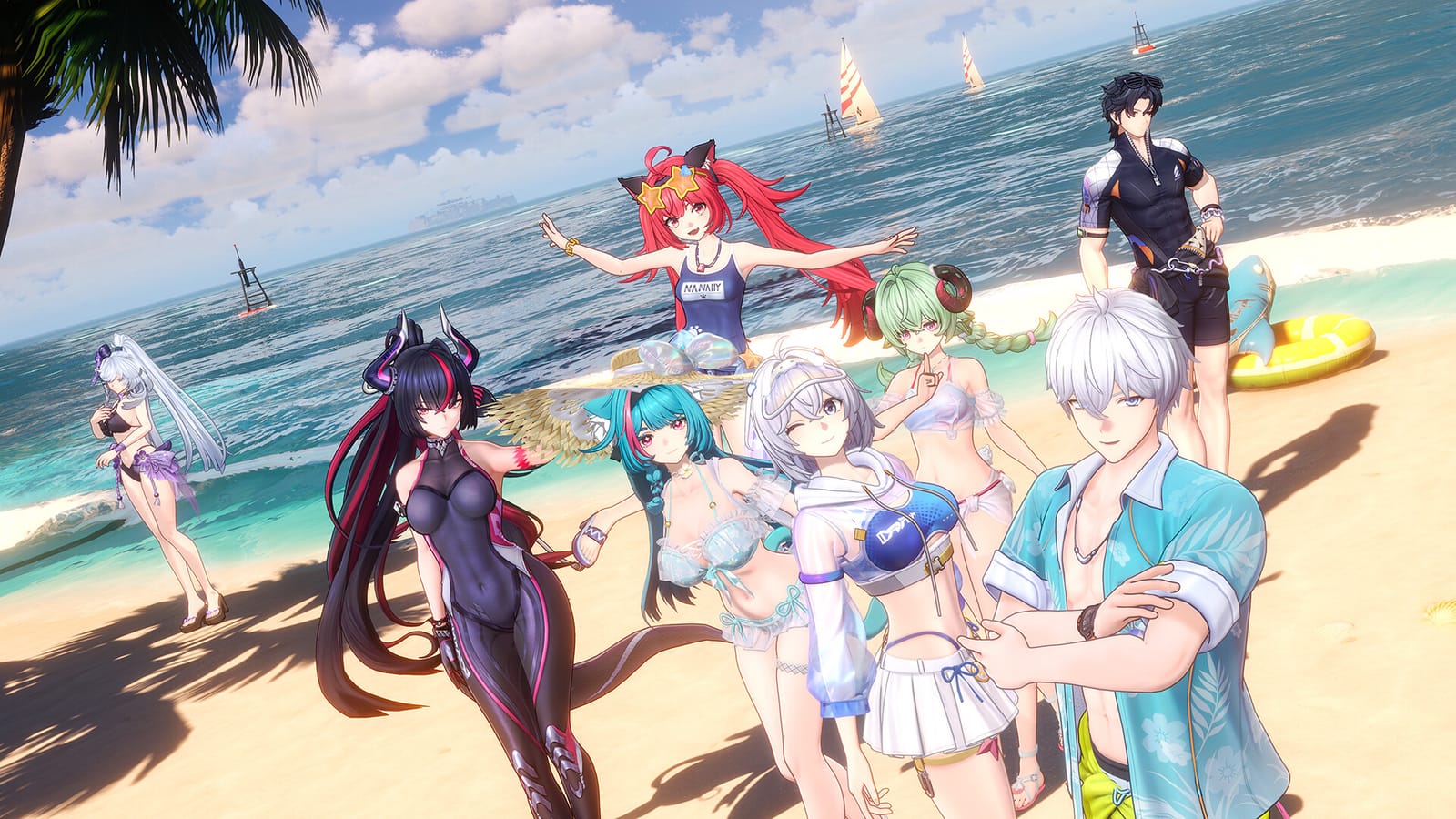
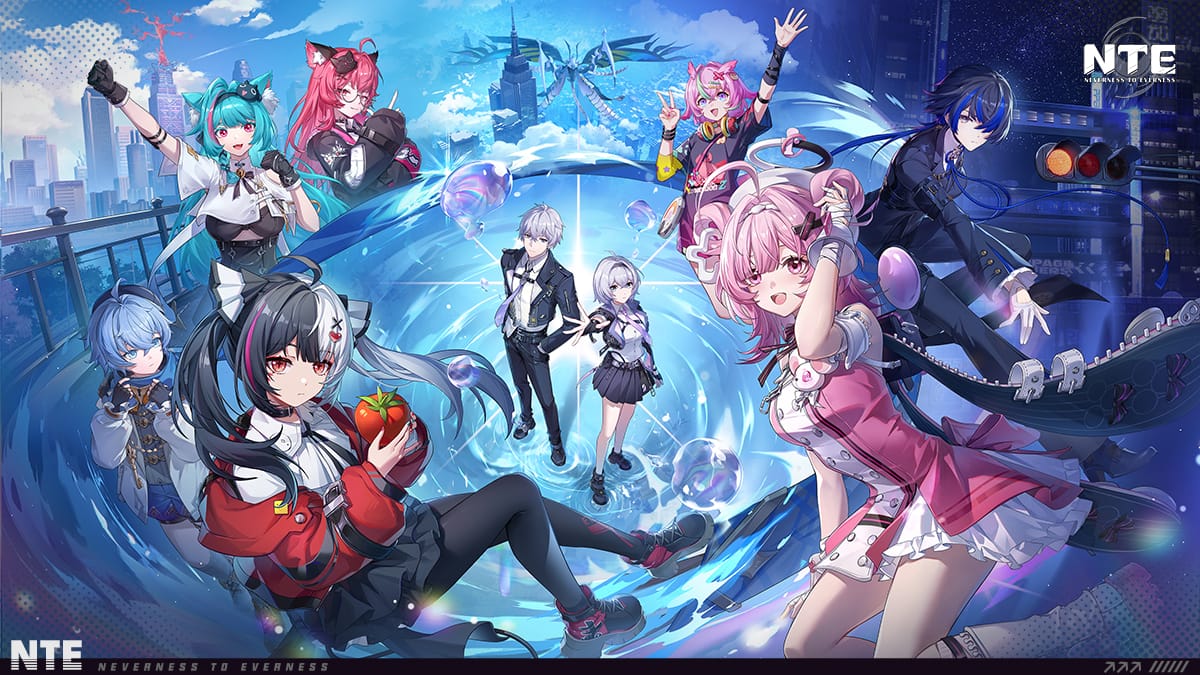
NTE (Neverness to Everness) is an open-world urban-fantasy action RPG from Hotta Studio and Perfect World, set in a large modern city where supernatural “anomalies” are treated as routine. You play an agent working for the city’s anomaly-control bureau, fielding teams of four characters who channel powers the game calls Espers. This guide covers the three things that decide how smoothly your first week goes: team composition, the swap-based combat loop, and getting value out of the city itself.
NTE is still in its testing period, so specific character names, numbers and event details may shift between builds. The systems below are the stable part.
Before you start
- Keep every free character the story and login events give you; early accounts are short on bodies.
- Do not spend premium pulls until you know which role your team lacks.
- Claim the launch selector reward only after you have played a few hours and can see your gaps.
- Turn on damage numbers and the skill-cooldown display in settings so you can read your rotation.
- Do the tutorial fights slowly and learn the dodge timing before you rush the main story.
Step 1: Build one complete team of four
Your first goal is a single team that can clear content, not a collection. Aim for one main damage dealer, one durable unit that can heal or shield, and one support that buffs damage or restores energy. The fourth slot is flexible: a second damage dealer or a second support depending on what the fight needs. A team of four glass cannons dies to the first boss; a balanced four clears comfortably.
Characters belong to elements, and placing compatible elements together lets you chain reactions, so once you know your core, pick the fourth member partly for element synergy.
Step 2: Learn the swap loop
Combat is fast and built around switching characters. As you attack, a gauge fills. When it is ready, swap to another character to trigger an elemental reaction that hits much harder than normal attacks. The loop is: attack to build the gauge, swap to cash it in as a reaction, let the first character’s cooldowns tick while the new one builds the gauge again.
Do not sit on one character grinding out basic attacks. The reactions from swapping are where most of your damage comes from.
Step 3: Break the enemy, then dump damage
Landing hits also drains an enemy’s Break meter. When it empties, the enemy is Broken: it cannot move or attack and takes greatly increased damage for a short window. Time your biggest skills and swap reactions for that window. Against tougher enemies and bosses, treat “get them Broken” as the first objective of every fight and save your strongest abilities rather than using them on a full-guard target.
Step 4: Spend pulls to fill a gap
When you do pull, spend on the role your starter team is weakest at. If you have two damage dealers and no real support, a support pull is worth more than a stronger attacker. The same goes for the launch S-rank selector: pick the unit that completes a working team. A duplicate of a role you already cover barely changes your clear speed.
Step 5: Use the city
Between story missions the city is full of activities with real rewards: odd jobs for residents, street races once you own a vehicle, mini-games, and even property and a small business to run. These feed currency, materials and account progression. Treat a short loop of city activities as part of your daily routine rather than something to skip on the way to the next fight.
Exploration counts too. Poking around the map turns up chests, collectibles and shortcuts that hand over upgrade materials and currency, and clearing an area’s points of interest is usually a better use of an hour than replaying a stage you have already cleared. Prioritise anything that gives account-level progression or your team’s promotion materials, and leave the pure-cosmetic collectibles for later.
Key takeaways
- Build one four-character team with a damage dealer, a survival unit and a buffer before chasing a second team.
- The core combat loop is: fill your swap gauge, tag out, trigger an elemental reaction, repeat.
- Break enemies first; broken targets take far more damage and cannot fight back.
- Spend free pulls and the launch selector on a unit your starter team is missing, not on a duplicate role.
- The open city’s jobs, races and side activities are a real progression source, not just flavour.
Comments 0